
Liability limited by a scheme approved under Professional Standards Legislation

| The ATO’s new draft rules could change your holiday home tax claims |
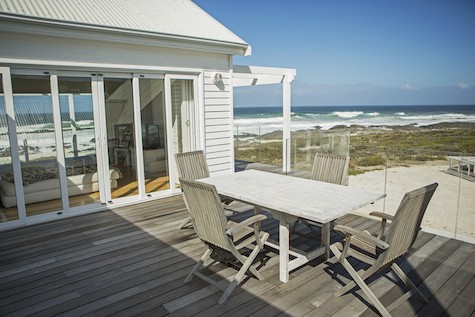
A new ATO draft guidance aims to clarifies how to work out if your property’s considered a holiday home under this rule, and how much you can legitimately claim expenses. |
. The draft guidance addresses when a property is a “holiday home” for tax purposes and considers common scenarios like renting to family or friends at reduced rates. It outlines what the ATO considers fair and reasonable methods to split expenses between income-producing use and private use; for example, if your holiday home’s rented out half the year and you use it for the other half, you can claim roughly 50% of general costs like interest, utilities and insurance as deductions. In the addition, the guidance introduces a traffic-light system of risk zones. “Amber” covers medium-risk scenarios where you rent the property but also use it personally for a significant part of the year. “Red” covers high-risk arrangements where the property’s mostly used by you or your family, with infrequent or non-commercial rentals, but with expenses claimed. If you’re in the red, the ATO will suspect the property’s mainly a lifestyle asset rather than a genuine income-producing investment, and will be more likely to investigate or challenge your claims. While these rules are drafts right now, the ATO plans to apply them retrospectively once they’re finalised, with a transitional compliance approach for arrangements in place before 12 November 2025. We suggest to re-review your holiday home usage and review your past claims. Improve your record-keeping by maintaining a log of rental periods, vacant periods and personal use dates.
Acctweb 15th-January-2026 |

| Simmons Partners Suite 3a, 303-313 Burwood Hwy Burwood East 3151 Vic | Phone:+61 3 9887 9377 | Fax:+61 3 9887 9615 | Email:info@simmonspartners.com.au |